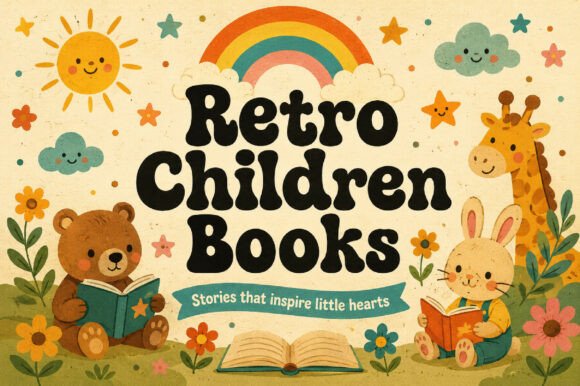
Rediscovering Whimsy with the Retro Children Books Typeface
There is a specific kind of magic found in the pages of a well-loved storybook from decades past—a warm, tactile feeling that digital screens often struggle to replicate. If you are searching for a way to inject that nostalgic cheerfulness into your modern designs, the Retro Children Books vintage display font offers a direct bridge to that beloved era. By deriving its spirit from the endearing lettering of classic children's tales, this typeface brings a playful charm that captures attention without shouting for it.
The Anatomy of a Vintage Display Font
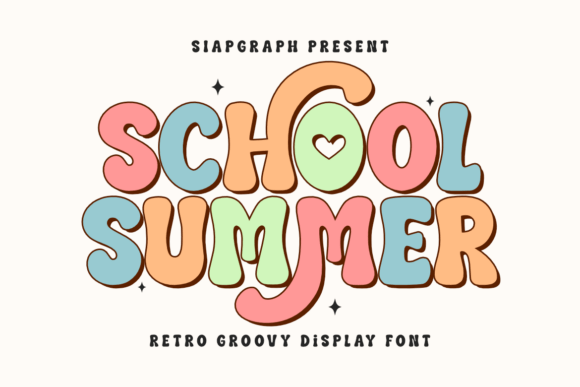
What makes this particular design asset stand out in a sea of modern typography? It comes down to the details. Retro Children Books exudes an antiquated yet relaxed allure, characterized by rounded edges, chunky curves, and vintage letterforms. Unlike the sharp precision of a standard sans serif font, this typeface embraces softness. The slight irregularities and bold weight give it a handcrafted feel, suggesting that a human hand, rather than a machine, drew each letter. This aesthetic is perfect for creating a friendly, approachable atmosphere that invites the viewer in.
Where Nostalgia Meets Function: Ideal Use Cases
While the font is clearly inspired by literature, its application range is surprisingly broad. Its warm, engaging personality makes it a versatile tool for various creative projects. Because it is a premium font designed for display use, it shines brightest where headlines and titles are the focal point.
Consider using Retro Children Books for:
- Editorial Design & Packaging: It works wonders on diverting children's book covers, toy packaging, and even nostalgic food branding.
- Print & Digital Media: Create vibrant posters, animated stickers, and spirited classroom materials that feel lively and engaging.
- Brand Identity: If you are building a logo design for a bakery, a daycare, or a creative studio, this font provides an instant sense of warmth and trust.
- Social Media Graphics: In a feed full of generic sans serifs, a chunky, retro display font can stop the scroll and amplify delight.
Typography as a Storytelling Device
Choosing a typeface is rarely just about legibility; it is about voice. The typography you select influences brand perception immediately. A script font might suggest elegance, while a sleek sans serif implies efficiency. Retro Children Books, however, tells a story of comfort, imagination, and playfulness. It is an excellent choice for projects that need to convey a "lived-in" quality—designs that feel safe, fun, and full of character. When used in branding, it helps businesses appear more human and less corporate, which is a powerful asset in today's market.
Practical Tips for Implementation
To get the most out of this creative font, you need to consider the technical aspects of your design. Because of its bold and decorative nature, Retro Children Books is best suited for display purposes rather than long-form body text. Pairing is key to maintaining a professional presentation.
Here is how to use it effectively:
- Font Pairing: Balance the heavy, rounded curves of the display font with a clean, simple serif font or sans serif font for your body copy. This ensures readability while keeping the visual hierarchy clear.
- Scalability: This typeface holds its shape well at larger sizes, making it ideal for posters and headers. However, ensure you test it at smaller sizes if you plan to use it on mobile web design elements, as the chunky details might merge.
- Color Palette: Lean into the vintage vibe by pairing the font with muted pastels or bold, primary colors typical of mid-century design.
Licensing and Commercial Considerations
Before you finalize your design assets, it is always wise to verify the licensing of any font download. If you are working on a commercial project—such as merchandise, client branding, or digital products—ensure you have the appropriate commercial font license. This protects your work and ensures the original type designer is credited for their craftsmanship. Checking these details early prevents headaches later in the production process.
Ultimately, the goal of design is to evoke an emotion. By choosing a typeface that carries the weight of history and the lightness of childhood, you give your project a distinct voice. Retro Children Books is more than just a set of letters; it is a tool for creating memorable, heartfelt designs that resonate with audiences of all ages. When you want your creations to feel unforgettable, leaning into the cheerfulness of yesteryears is a timeless strategy.